
Accounting and Bookkeeping for Startups Bench Accounting Bench Accounting
- Posted by xldeal
- 0 Comment(s)

Effective financial management is vital for startups, and understanding the difference between bookkeeping and accounting is key to maintaining financial stability. While these two processes are closely related, they serve distinct roles in managing a business’s finances. Small business accountants are professionals, often Certified Public Accountants (CPAs), who have the experience and knowledge to help owners navigate through their financial records. Depending on the size and needs of the business, these accountants may work on a monthly, quarterly or annual basis. While larger companies often keep accountants on staff, small businesses typically contract with an accounting firm or independent accountant who offers the services they need.

The Financial Team

Accounting can help startups because it helps startup owners manage their finances. It allows you to communicate financial information to investors, lenders, and other stakeholders by providing them with reports that show how much money you have made or lost over time. Startup Business Accounting helps innovators What is bookkeeping & entrepreneurs to achieve success. We understand how tiring it is to manage accounting, bookkeeping and other enterprise financial application needs of a budding startup company. Our practice is built on best of breed cloud accounting software like QuickBooks, Netsuite, Gusto, Rippling, Taxbit, Avalara, Brex, Ramp and Deel.
- Providers should be comfortable with integrating various financial tools and platforms so your financial data flows smoothly across your tech stack.
- Both are numbers-related, but bookkeeping and accounting are not quite the same things.
- Whether you’re navigating the early stages of your startup journey or scaling at an accelerated pace, our strategic tax advice is designed to support your goals.
- In-house accounting involves hiring someone for your team specifically to handle accounting and bookkeeping.
- As your business evolves, don’t be afraid to reassess and adjust your approach to ensure you’re getting the financial support and insights you need to thrive.
- While it might seem quaint to have an accountant managing the books with pen and paper or carefully designed spreadsheets, you will need the power of accounting software or an ERP.
Closing Accounts
In fact, they’ll understand the importance of burn rate management and can play a key role in preparing for funding rounds. In this comprehensive guide, we’ll explore everything you need to know about working with a startup business accountant. We’ll cover the multifaceted role of startup accountants (which accountant for startups extends far beyond basic bookkeeping) and how to select the right accounting solution for your specific needs.
A Leader in Cloud Accounting Software
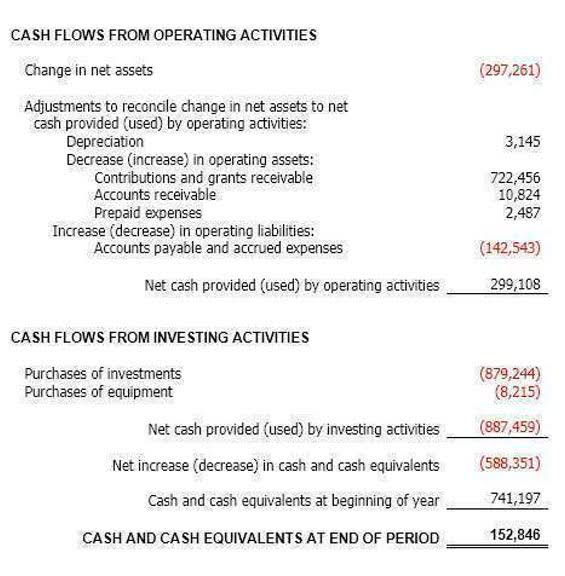
It’s a complementary document to the income statement and balance sheet. Accounting for startups involves tracking the inflows and outflows of cash and summarizing this data into financial statements that can, later on, be used to analyze the business’ performance. An automated accounting system is a tool connected to your business bank account and credit cards.
Accounting, Finance, Tax & HR for Startups

Deskera is a cloud-based, easy to use accounting software that integrates directly with your business bank account. You can access your financial data at any time of the day, from any device, just by downloading the Deskera mobile app. Accrual basis accounting counts money when it’s “earned” rather than received (and the same with expenses).
Budgeting Tips
- Bookkeepers are responsible for accurately documenting and organizing these transactions, ensuring that financial records are up-to-date and well-structured.
- A certified accountant will be able to manage your chart of accounts with accrual accounting to position your business in the best light for those investing or lending you money.
- Now we know there are various aspects to the trajectory of a startup that require unique accounting needs.
- That’s why investing in startup accounting software is a good idea.
- Outsourcing this service gives you the time to stay in your zone of genius and keep working on what you are best at.
Because your accountant will be handling sensitive business data, it’s important to choose yours carefully and thoroughly vet them before hiring. Top angel investors and VCs refer Kruze because they trust us to give the right advice. Our clients are portfolio companies of top technology and Silicon Valley investors, including Y-Combinator, Kleiner, Sequoia, Khsola, Launch, Techstars and more.
Performance insights can help you identify which products, services, https://www.bookstime.com/articles/horizontal-analysis or business units are most profitable so you can maximize your return on investment. A skilled startup accountant should be seen as a strategic partner who can provide the financial insights and guidance necessary to scale your business effectively. Good workflows and the right digital products can keep you from losing track of income, expenses, and cash flows. For example, suppose you use petty cash to make small purchases such as file folders or printer ink. You enter the purchase at the end of the day, then file or scan the receipts.
Mistake #5: Winging it without a budget
Vanessa Kruze, a seasoned CPA, has an impressive track record prior to establishing Kruze Consulting. Her experience includes pivotal roles at Deloitte Tax and as a controller for a substantial startup with over 120 employees and $20 million in revenue. We recommend QuickBooks Online (“QBO”) as the right bookkeeping software for startups and high-growth small businesses. It’s the leading small business accounting software in the US for small businesses, and interfaces nicely with other automated systems like payroll. For high-growth startups, especially ones that expect to raise venture capital, management needs access to high quality financial statements.